Many homeowners follow cleaning advice that gets passed down over time, but not all of it is accurate. Some of these beliefs actually make cleaning feel harder than it needs to be.
Understanding what’s true and what’s not can change how you maintain your home. Small corrections in routine often lead to better results with less effort.
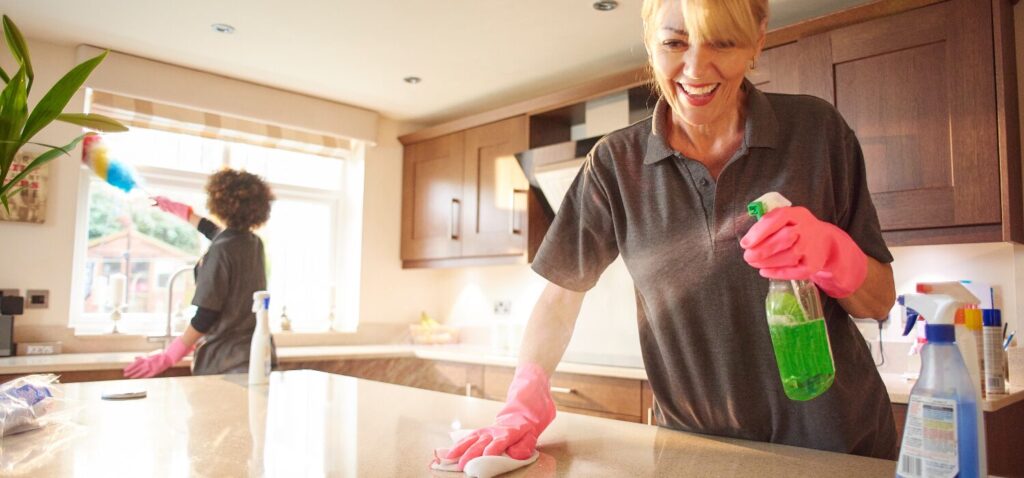
Understanding Everyday Cleaning Misconceptions
One common misconception is that cleaning more often always means a cleaner home. In reality, inconsistent methods matter more than frequency alone.
Another belief is that stronger products automatically clean better. In many cases, the wrong product can leave residue that attracts more dirt over time.
Where These Myths Usually Start
Most cleaning myths come from outdated advice or trial-and-error habits passed between households. Social media can also spread shortcuts that don’t apply to all home environments.
Common sources of misinformation include:
- Family habits learned over generations
- Online cleaning hacks without context
- Misinterpreted product instructions
- One-size-fits-all advice from general sources
The Problem With “Over-Cleaning” Mindsets
Some homeowners assume that more scrubbing equals better results. However, over-cleaning certain surfaces can cause damage or reduce their lifespan.
For example, frequent use of harsh chemicals on delicate materials can wear them down faster than normal use would.
Better Balance in Routine Maintenance
A more balanced approach focuses on consistency rather than intensity. Light, regular upkeep often prevents buildup more effectively than occasional deep effort.
Where Simple Adjustments Make a Big Difference
Small changes in how tasks are done can improve overall recurring cleaning without increasing workload. This includes adjusting frequency, tools, or techniques.
Many homeowners find improvement by following structured maintenance routines like those found in a well-planned home care schedule such as Sparkle MN, which emphasizes consistency over intensity.
Common Cleaning Myths Explained
Many cleaning myths sound logical but don’t hold up in real home environments. Understanding them helps reduce wasted effort.
Frequent myths include:
- “More soap means cleaner surfaces”
- “All surfaces need the same cleaning method”
- “If it looks clean, it is clean”
- “Disinfecting and cleaning are the same thing”
Each of these can lead to inefficient routines or overlooked areas in the home.
Why “Natural” Doesn’t Always Mean Safer or Better
Natural cleaning methods are popular, but they are not automatically more effective or safer for all surfaces. Effectiveness depends on the situation, not just the label.
Some natural ingredients can even damage certain finishes if used incorrectly.
Building Smarter Home Cleaning Habits
Better habits come from understanding what actually impacts cleanliness long-term. This means focusing on prevention instead of reaction.
Practical habit improvements:
- Wiping surfaces before buildup hardens
- Using appropriate tools for each material
- Sticking to a simple, repeatable schedule
- Avoiding unnecessary product mixing
These habits reduce effort over time and improve consistency.
Frequently Asked Questions
Why do cleaning myths spread so easily?
They often sound logical and are passed down without being tested in real conditions.
Is cleaning more often always better?
Not necessarily. Consistency and method are more important than frequency alone.
Are natural cleaning products always safer?
No, safety depends on the surface and correct usage, not just ingredients.
What is the biggest mistake homeowners make?
Relying on habits that aren’t suited to their specific home environment.
How can I know if a cleaning method is effective?
By observing results over time and adjusting based on actual performance.
Do professional routines differ from home routines?
Yes, they usually focus on structured consistency rather than intensive occasional cleaning.
Conclusion
Understanding cleaning myths helps homeowners reduce wasted effort and maintain a more consistent home environment. Small changes in routine often make the biggest difference over time. Sparkle MN provides structured home care approaches that support better long-term maintenance routines.