

To clean bathroom grout, start with a baking soda paste and a nylon brush. Use oxygen bleach or hydrogen peroxide for tougher stains, rinse well, then seal the grout and dry the shower after use so dirt doesn’t settle back in.
Grout is often the reason a clean bathroom still looks a little dingy. Sparkle Plenty Cleaners provides reliable house cleaning in Maplewood and across the East Metro, and grout is one of the toughest parts of any bathroom to keep clean.
Ahead, we’ll explain why grout gets dirty so fast, how to figure out what kind you have, which cleaning methods are safest, what to avoid and the simple habits that keep grout looking clean for longer.
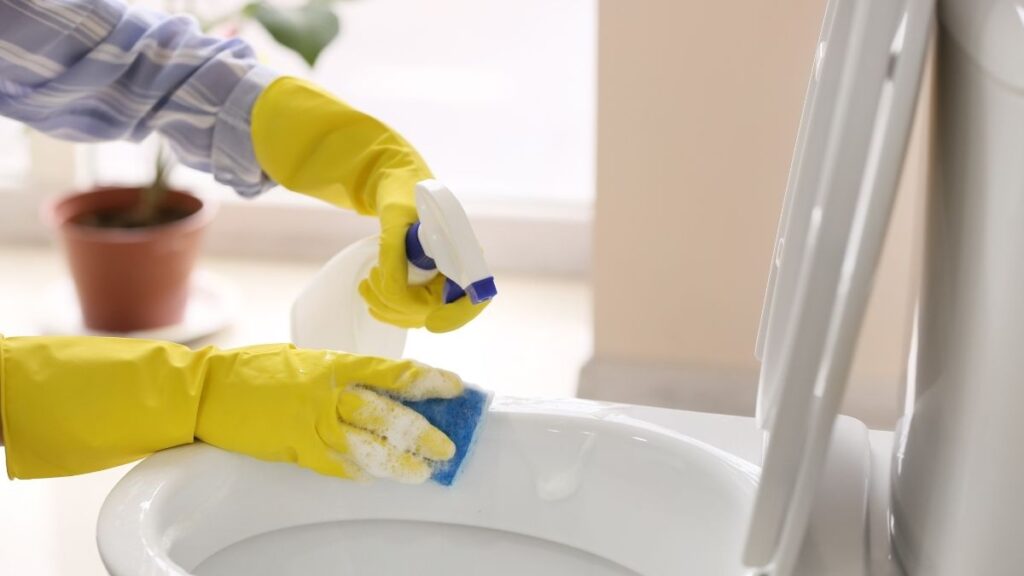
Why Grout Gets Dirty So Quickly
Tile is smooth and sealed, so dirt and water mostly sit on top of it. Grout is different. Most bathroom grout is cement-based and porous, which means it can absorb water, soap residue, body oils and dirt.
In a bathroom, that’s a recipe for buildup. Every shower leaves behind moisture and a thin film of soap. Over time, that residue gives mold and mildew a place to grow, and the grout lines slowly turn gray, orange or black.
Floors add another layer. Grout between floor tiles collects tracked-in dirt, hair and anything that spills, and mopping with dirty water can push grime deeper into the lines. That’s why grout often looks darker than the tile around it, even right after you clean.
First, Know What Kind of Grout You Have
Before you choose a cleaner, it helps to know whether your grout is sealed. This one detail decides which methods are safe.
Sealed grout has a protective coating that helps it resist water and stains. One simple test is to put a few drops of water on a grout line. If the water beads up, the grout is likely sealed. If it soaks in and darkens the grout, it’s probably unsealed or the sealer has worn off.
Your tile matters too. Natural stone, like marble, travertine and limestone, can be etched by acidic cleaners such as vinegar. If you have stone tile or aren’t sure what it is, stick with pH-neutral or stone-safe products and check the manufacturer’s recommendations first.
Start With the Gentlest Method
Most cleaning experts agree on one rule: start mild and work up only if you need to. Gentle methods are less likely to damage grout or tile, and they’re often all you need for regular buildup.
A paste of baking soda and water is the classic first step. Spread it over the grout lines, let it sit for a few minutes, then scrub with a nylon grout brush or an old toothbrush. Baking soda works as a gentle abrasive and is generally safe for both sealed and unsealed grout.
If your grout is sealed, you can spray a 50/50 mix of white vinegar and water over the baking soda paste before scrubbing. Skip the vinegar on unsealed grout, since acids can wear down cement-based grout over time. When you’re done, rinse thoroughly and wipe the area dry. Leftover paste in the grout lines can actually attract new dirt.
For Tougher Stains: Oxygen Bleach and Hydrogen Peroxide
When baking soda isn’t enough, stronger options can help, as long as you use them carefully. These are the methods most often recommended for stubborn stains and mildew:
- Oxygen bleach. This chlorine-free powder is mixed with water, applied to the grout and left to work before scrubbing. It’s widely recommended because it lifts stains without discoloring grout the way chlorine bleach can.
- Baking soda and hydrogen peroxide. Mixed into a paste, this combination is a common choice for brightening white grout and tackling deeper stains.
- A commercial grout cleaner. Products made for grout can work well, especially on heavy buildup. Choose one that’s safe for your tile and grout type.
Whatever you use, follow the label, keep the bathroom well ventilated, and rinse the area well afterward. Test any new product on a small, hidden spot first, especially on colored grout.
Shower Walls vs. Bathroom Floors
Grout in the shower and grout on the floor get dirty in different ways, so it helps to adjust your approach slightly for each.
Shower grout mostly deals with moisture, soap scum and mildew. Clean it when the walls are dry, so your cleaner isn’t diluted, and work from the top down so drips don’t land on sections you’ve already scrubbed. A little extra dwell time often helps loosen soap residue before you start brushing.
Floor grout collects more dirt, hair and tracked-in grime. Sweep or vacuum first so you’re not grinding loose debris into the lines while you scrub. Work in small sections, rinse with clean water as you go, and dry the floor afterward so nobody walks fresh dirt back into damp grout.
Treating each area this way saves effort and gives you more even results across the whole bathroom.
What to Avoid When Cleaning Grout
Some common habits can do more harm than good. Steering clear of these will help your grout last longer:
- Mixing cleaning products. Never combine bleach with vinegar, ammonia or other cleaners, since this can release harmful fumes.
- Chlorine bleach on colored grout. It can lighten or discolor the grout, leaving it patchy.
- Vinegar on unsealed grout or natural stone. Acids can wear down grout and etch stone surfaces.
- Wire or metal brushes. They can scratch tile and break down the grout itself. Stick with nylon bristles.
- Leaving residue behind. Soap or paste left in the lines collects dirt quickly.
If grout is crumbling, cracked or missing in spots, cleaning won’t fix it. That’s a repair job, and a tile professional can tell you whether it needs regrouting.
Seal Your Grout to Protect It
Once your grout is clean and completely dry, sealing it is one of the best ways to keep it that way. A grout sealer helps block water, soap and dirt from soaking in, which makes routine cleaning much easier.
Sealers aren’t permanent. They wear down with regular use and cleaning, so they need to be reapplied over time. Follow the product directions for how long to wait after cleaning and how often to reseal. The water drop test works here too: when water stops beading on the grout, it’s a sign the sealer is wearing thin.
If you’re unsure about the right product for your tile, check with the manufacturer or a tile professional before you start.
Daily Habits That Keep Grout Cleaner Longer
The best way to avoid hours of scrubbing is to stop buildup before it starts. A few small habits make a big difference in a busy bathroom.
Use a squeegee or towel to wipe down shower walls after each use, so water and soap don’t sit on the grout. Run the bathroom fan during and after showers to help everything dry faster. Rinse the shower walls after using thick products like body scrubs or hair masks, which can leave residue behind.
On the floor, use clean water when you mop and change it as soon as it looks dirty. A bath mat outside the shower helps keep water off the floor grout. And a quick weekly wipe of the grout lines in the shower keeps mildew from getting a foothold.
When to Call in Professional Help
Sometimes grout cleaning is simply more time and scrubbing than you want to take on. That’s where regular professional cleaning helps, because consistent attention keeps buildup from getting out of hand in the first place.
Our recurring maid services include scrubbing tubs and showers, including the door and track, cleaning toilets inside and out, polishing faucets and hand washing bathroom floors and baseboards. For a more thorough reset, our deluxe deep cleaning adds detail work like wiping down vanity cabinets and hardware. Both use eco-friendly products that are safe for your family and pets.
For more bathroom tips, see our guide on the best way to deep clean a bathroom.
Frequently Asked Questions
What is the best homemade grout cleaner?
A paste of baking soda and water is the gentlest place to start. For tougher stains, baking soda with hydrogen peroxide or an oxygen bleach solution are common choices.
Is vinegar safe for grout?
Only on sealed grout, and never on natural stone. Vinegar is acidic and can wear down unsealed grout over time.
How often should I clean grout?
A quick weekly wipe helps prevent buildup, with a more thorough scrub when grout starts to look darker than usual.
Do you use eco-friendly products?
Yes. Sparkle Plenty Cleaners uses eco-friendly, pet-friendly cleaning products in every home we clean.
Keep Your Bathroom Sparkling With Sparkle Plenty Cleaners
Clean grout makes the whole bathroom look brighter. Start with gentle methods, use stronger cleaners carefully, seal the grout when it’s clean and dry, and build a few easy habits to keep moisture and residue from settling in.
Sparkle Plenty Cleaners is a local, woman-owned company that has served the East Metro since 2012. Every home gets the same dedicated cleaner each visit, and our background-checked team is licensed, bonded and insured. Contact us to schedule your free 20-minute phone consultation.